Power Factor Definition
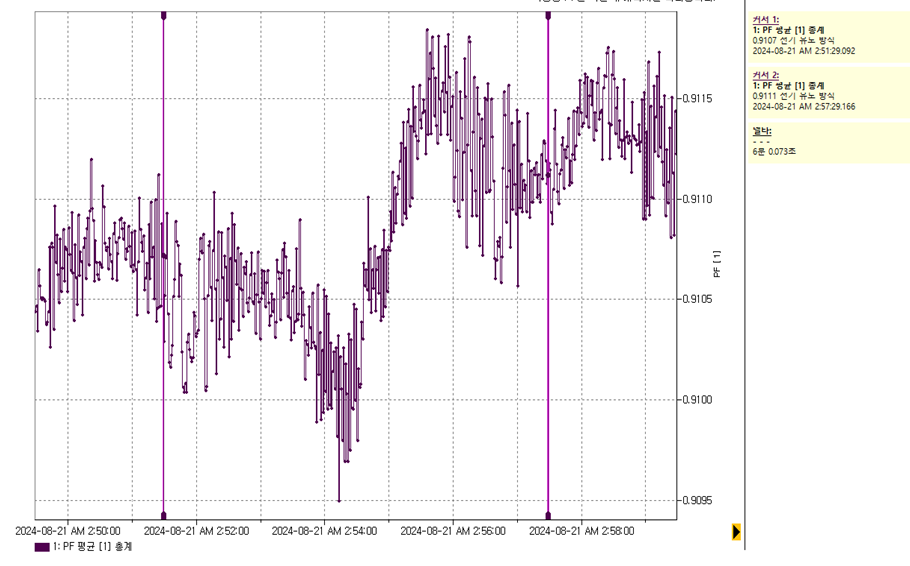
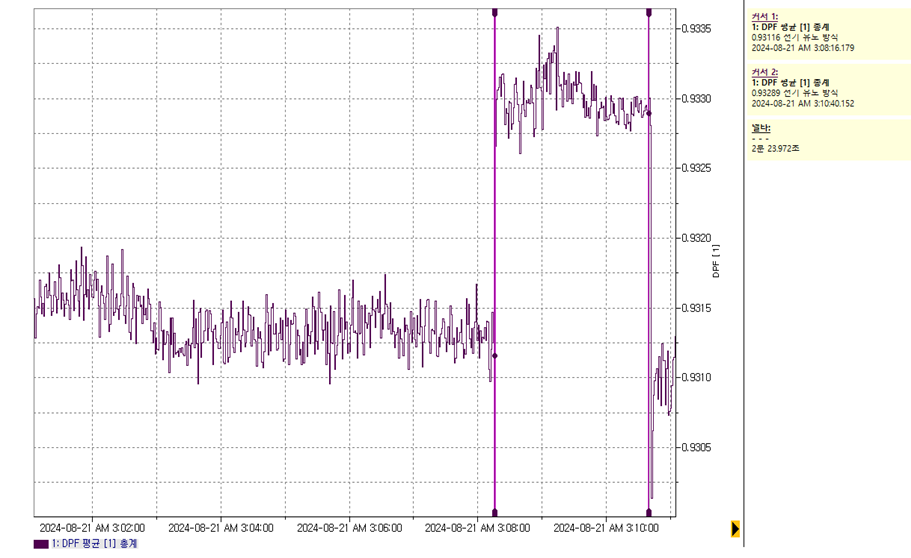
Power Factor (PF) is a measure of how effectively electrical power is being used. It represents the ratio of real power (the power actually consumed by equipment) to apparent power (the power supplied by the utility).
Power Factor is expressed as a number between 0 and 1, or as a percentage between 0% and 100%. A power factor of 1.0 (or 100%) means that all the power supplied is being used effectively. Most industrial facilities operate at power factors between 0.7 and 0.9, meaning they're not using power as efficiently as they could be.
Power Factor Examples
Why Power Factor Matters
Power factor is crucial for several reasons:
- Cost Savings: Utilities often charge penalties for low power factor, and improving it can result in significant cost reductions
- Equipment Protection: Poor power factor can cause equipment overheating, reduced lifespan, and increased maintenance costs
- System Efficiency: Better power factor means more efficient use of electrical infrastructure and reduced energy waste
- Capacity Utilization: Improved power factor allows better utilization of existing electrical infrastructure
What Causes Low Power Factor?
Low power factor is typically caused by:
- Inductive Loads: Motors, transformers, and other inductive equipment
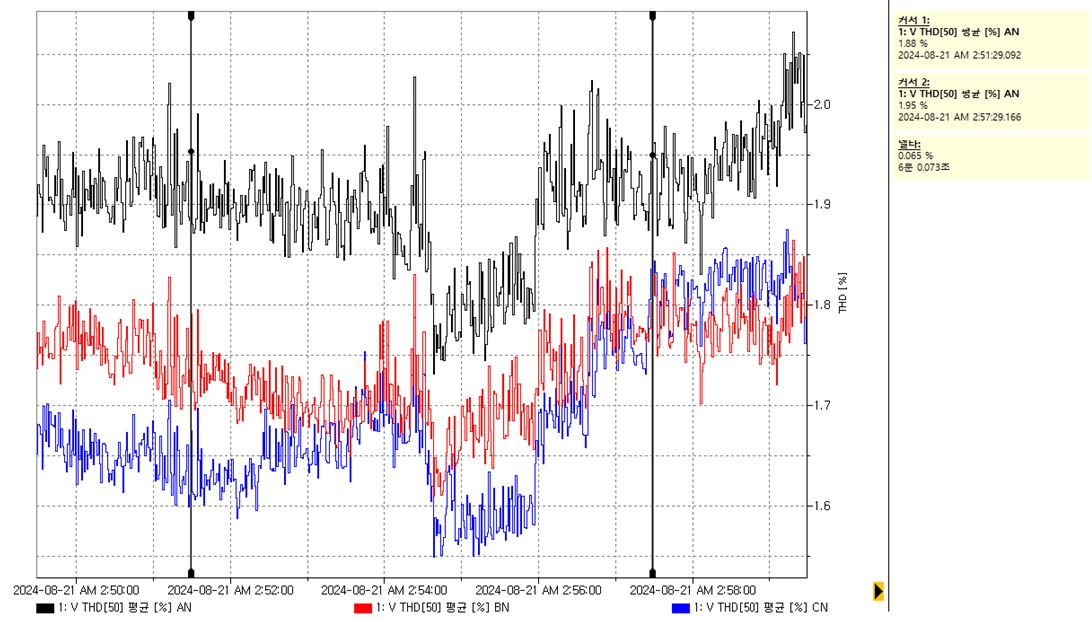
- Harmonic Distortion: Non-linear loads like variable frequency drives and electronic equipment Unbalanced Loads: Uneven distribution of electrical loads across phases
- Poor Power Quality: Voltage fluctuations and electrical noise
Power Factor Correction (PFC)
Power Factor Correction is the process of improving power factor to approach 1.0. This is typically achieved through:
- Capacitor Banks: Adding capacitors to offset inductive loads
- Active PFC: Using electronic circuits to actively correct power factor
- Load Balancing: Distributing loads evenly across electrical phases
- Harmonic Filtering: Reducing harmonic distortion that affects power factor
Benefits of Power Factor Correction
Implementing power factor correction provides numerous benefits:
- Reduced Electricity Costs: Lower utility bills through reduced penalties and better efficiency
- Improved Equipment Performance: Better power quality extends equipment lifespan
- Increased System Capacity: Better utilization of existing electrical infrastructure
- Environmental Benefits: Reduced energy consumption contributes to sustainability goals
- Compliance: Meeting utility requirements and avoiding penalties